Wondering if Charter Spectrum internet can deliver a smooth gaming experience in 2026? This comprehensive guide dives deep into Charter's network capabilities, examining actual speeds, critical latency factors, and connection stability for popular online titles. We explore how Charter's infrastructure supports various gaming genres, from fast-paced FPS battles to immersive MMO worlds. Discover essential optimization tips and real-world performance insights to help you decide if Charter is the right internet service provider for your gaming needs. This article provides crucial information for both casual players and competitive esports enthusiasts navigating the ever-evolving internet landscape.
Welcome to the ultimate living FAQ for gamers wondering about Charter Spectrum's performance in 2026! We understand the internet is critical for your virtual adventures, whether it's crushing opponents in FPS, exploring vast RPG worlds, or strategizing in MOBAs. This guide consolidates the most pressing questions and provides up-to-date answers, tips, and tricks to ensure your Charter connection enhances, rather than hinders, your gaming experience. While we aim to tackle the top 50+ inquiries, we are focusing on the most critical questions from the 'People Also Ask' section to get you quick, actionable insights right away.
Top Charter Gaming Questions Answered
Is Charter Spectrum internet fast enough for online gaming?
Yes, Charter Spectrum generally offers speeds that are more than sufficient for online gaming. Their popular plans often provide download speeds starting at 200 Mbps, with gigabit options available in many areas. These speeds ensure quick game downloads, smooth streaming, and minimal buffering, easily meeting the bandwidth requirements for most modern games. However, speed is only one factor; consistent low latency is equally vital for competitive play. Always use a wired connection for optimal performance and check your local speeds for accurate results.
What is a good ping for gaming on Charter Spectrum?
A good ping for gaming on Charter Spectrum, or any ISP, is typically below 50 milliseconds (ms). For competitive FPS or MOBA titles, aim for under 30ms if possible. Lower ping means less lag and more responsive gameplay. While Charter generally provides respectable ping, it varies based on your location relative to game servers and network congestion. Always check your in-game ping or run a speed test to monitor your connection's latency. Optimizing your home network can help lower ping.
Does Charter Spectrum have high latency for gaming?
Charter Spectrum's latency is generally competitive but can vary. Most users experience acceptable ping for casual and even serious gaming. However, as a cable internet provider, it might not always match the ultra-low, symmetrical latency of dedicated fiber-optic services in all regions. Factors like network congestion during peak hours, distance to game servers, and your home network setup can influence latency. Proper router configuration and a wired connection are crucial to minimizing any potential latency issues. Regular maintenance helps. (Myth vs Reality: While often perceived as high-latency, Charter's network infrastructure has evolved, making consistent high latency less common, though still variable.)
How can I reduce lag on Charter Spectrum when gaming?
To reduce lag on Charter Spectrum, prioritize a wired Ethernet connection to your PC or console over Wi-Fi. Ensure your router's firmware is updated and configure Quality of Service (QoS) settings to prioritize gaming traffic. Close background applications and downloads that consume bandwidth. Verify your network adapter drivers are current. Sometimes, simply restarting your modem and router can resolve temporary lag spikes. If issues persist, contact Charter support to check for line stability issues in your area.
Is Charter's internet reliable for competitive gaming?
For many, Charter's internet is reliable enough for competitive gaming, especially with their higher-tier plans. Their network boasts good uptime and generally stable connections. However, like any large ISP, localized outages or network congestion can occur, impacting critical match moments. For professional esports, dedicated fiber might offer a slight edge in consistency and ultra-low latency. For the vast majority of competitive players, Charter provides a solid foundation, particularly when combined with optimal home network practices and a wired setup. (Myth vs Reality: Charter's reliability is often underestimated; recent 2026 infrastructure upgrades have significantly enhanced network stability for many users.)
Will upgrading my Charter speed tier improve my ping or FPS in games?
Upgrading your Charter speed tier primarily increases your download and upload bandwidth, which helps with game downloads, updates, and streaming. It will not directly improve your ping (latency) or your in-game FPS (frames per second). Ping is affected by network routing and distance, while FPS is determined by your computer's hardware. While a faster connection might slightly alleviate lag if you're bottlenecked by insufficient bandwidth, it won't magically lower your ping if the underlying issue is distance or network congestion. Focus on latency and hardware for true performance gains. (Myth vs Reality: Many believe higher speeds automatically mean better ping; in reality, latency is a separate metric requiring different optimizations than pure bandwidth.)
Still have questions about optimizing your gaming experience with Charter Spectrum? Dive into our other popular guides like 'Best Gaming Routers for Charter Spectrum,' 'Understanding Network Latency: A Gamer's Guide,' or 'Advanced Troubleshooting for Online Gaming Issues.'
Ever wondered if your internet connection truly holds you back from those epic gaming victories? Many of us ask, 'Is Charter good for gaming in 2026?' It's a critical question for any serious player. With new console generations and PC games demanding more, having reliable internet is paramount. We are diving deep into Charter Spectrum's current performance for gamers. We will explore how their network measures up to the intense demands of today's virtual battlegrounds. This guide helps you navigate the technicalities, ensuring your gaming experience is as smooth as possible.
Charter Spectrum for Gaming 2026: An Overview
Charter Spectrum remains a dominant internet service provider across the United States. For gamers, their robust infrastructure often provides substantial speeds. These speeds are generally more than adequate for streaming and downloads. However, speed is only one piece of the puzzle for a seamless gaming experience. Latency, often called ping, significantly impacts online responsiveness. We also consider network reliability and customer service. These factors collectively define whether Charter truly serves a gamer's needs well.
Speed and Latency: The Gamer's Critical Metrics
When evaluating internet for gaming, download speeds are essential but not the only metric. Charter offers various speed tiers, with many urban areas seeing gigabit options. These fast download speeds ensure quick game installations and updates. Upload speeds are also important for streaming or hosting games. Charter has continuously invested in fiber-rich network upgrades through 2026. This investment aims to enhance overall network efficiency and reduce latency for all users. Consistent low ping is crucial for competitive FPS, MOBA, and Battle Royale titles. High ping causes frustrating lag, making precise actions impossible. It can make all the difference in those split-second decisions.
Network Reliability and Connection Stability
A stable internet connection prevents frustrating disconnections during crucial gaming moments. Charter generally boasts good network reliability across its service areas. However, localized network congestion or infrastructure issues can cause intermittent packet loss. Regional outages are always a possibility, though becoming less frequent with improved monitoring. Using a wired Ethernet connection is strongly recommended over Wi-Fi. This simple step bypasses potential wireless interference and ensures a more stable link. Such stability is key for any serious gaming session.
Optimizing Your Charter Connection for Peak Gaming Performance
Even with a capable internet provider like Charter, optimizing your home setup is vital. Several factors within your control can significantly improve your gaming experience. Addressing these areas can reduce lag and prevent stuttering. These simple adjustments can unlock your connection's full potential. You can achieve smoother gameplay and more consistent performance. Remember, a chain is only as strong as its weakest link.
Router Placement and Configuration Tips
Your router's location dramatically affects Wi-Fi signal strength and stability. Place your router in a central, elevated spot in your home. Keep it away from obstructions and other electronics causing interference. Ensure your router's firmware is always updated to the latest version. This provides security patches and performance enhancements. Many modern routers also offer Quality of Service QoS settings. Prioritize gaming traffic to ensure your game gets bandwidth priority. This can be especially helpful if multiple devices are active on your network.
Embrace Ethernet and Update Your Drivers
This cannot be stressed enough: connect your gaming device directly to the router using an Ethernet cable. A wired connection offers superior speed, lower latency, and greater stability. It completely eliminates wireless interference issues. Furthermore, regularly updating your network adapter drivers is crucial for optimal performance. Outdated drivers can lead to reduced speeds and increased ping. Check your computer's device manager or the adapter manufacturer's website for the latest versions. This quick maintenance step often resolves many performance glitches.
Minimizing Background Processes and Network Congestion
Background applications can consume valuable bandwidth and system resources. Close any unnecessary programs or downloads while gaming. This includes cloud sync services and streaming apps. If others in your household are streaming 4K content, it will impact your ping. Coordinate gaming times or use your router's QoS settings effectively. Reducing overall network congestion ensures your game traffic flows unimpeded. These small habits make a big difference for your in-game performance.
How Charter Compares: A 2026 Gaming ISP Landscape
In 2026, the internet service provider landscape is more competitive than ever. Charter Spectrum typically offers a strong balance of speed and availability. However, dedicated fiber-to-the-home providers often boast superior symmetrical speeds. They also offer extremely low latency, which is ideal for competitive gaming. For most casual to serious gamers, Charter's higher-tier plans are usually sufficient. If you are a professional esports player, exploring pure fiber options might be beneficial. Always check reviews and local availability of alternative providers. Understand your specific gaming needs before committing to a plan.
Common Gaming Mistakes to Avoid on Any ISP
Many gamers blame their internet provider for every lag spike. Often, the issue lies within their home network setup or hardware. Do not overlook the quality of your router. An old or cheap router can bottleneck even the fastest internet plan. Also, neglecting driver updates for your network card is a common pitfall. Forgetting to hardwire your console or PC directly to the router causes unnecessary issues. These easily avoidable mistakes often lead to frustrating gaming experiences. Take control of your local network environment.
Beginner / Core Concepts
1. Q: Hey, I'm just getting into online gaming, and I'm wondering if Charter Spectrum is good enough for me. What should I look for?
A: I get why this confuses so many people when starting out! Yes, for most beginner and casual online gaming, Charter Spectrum is generally more than good enough. You're looking for stable speeds and, more importantly, low latency (ping). Spectrum's standard plans in 2026 usually offer speeds that easily handle popular titles like Fortnite or Minecraft. Just make sure you're not on the absolute lowest tier, and try to use a wired connection. It really makes a difference. You've got this!
2. Q: What exactly is 'ping,' and why does everyone say it's so important for gaming with Charter?
A: This one used to trip me up too, so don't feel bad for asking! Ping is basically the time it takes for your computer to send a small data packet to the game server and receive a response. Think of it as how quickly your actions in the game register. A lower ping (e.g., under 50ms) means a smoother, more responsive experience, especially crucial in fast-paced games like FPS. Higher ping means lag, delays, and a frustrating time. Charter's ping can be good, but it depends heavily on your location and the server's distance. Try pinging a local game server to see your numbers!
3. Q: My game keeps stuttering sometimes even though I have high download speeds with Spectrum. What's going on?
A: Ah, the classic high-speed, stuttering mystery! It's usually not your raw download speed causing stuttering in-game. That's more about latency spikes or packet loss. Imagine trying to drive a car really fast (high speed) but constantly hitting speed bumps (latency spikes) or bits of the road missing (packet loss). It makes for a jerky ride. Check if you're on Wi-Fi – a wired Ethernet connection is almost always the fix here. Also, ensure your PC or console itself isn't overloaded with background tasks. You'd be surprised how much those affect things. Give it a shot and see!
4. Q: Is Wi-Fi really bad for gaming, even with a strong Charter connection? I prefer not to use a cable.
A: I totally understand the convenience of Wi-Fi; cables are a hassle sometimes! But yes, for serious or even consistently smooth gaming, Wi-Fi can be your Achilles' heel. Even with a strong Charter signal, Wi-Fi introduces more latency and is prone to interference from other devices, microwaves, or even your neighbor's Wi-Fi. It's like having a busy hallway with lots of chatter compared to a direct, clear path. While casual games might be okay, competitive play will always benefit immensely from that reliable Ethernet cable. It's a game-changer, I promise.
Intermediate / Practical & Production
5. Q: I'm on a Charter gigabit plan, but my ping isn't always great in FPS games. What specific router settings can I tweak?
A: That's a common scenario, even with top-tier speeds! The gigabit helps with downloads, but latency is a different beast. First, ensure your router firmware is updated; it's like a software patch for your router. Then, look for Quality of Service (QoS) settings in your router's admin panel. Prioritize your gaming device or specific game traffic. This tells your router, 'Hey, this data is super important, send it first!' Also, consider disabling any unnecessary features like guest networks if you're not using them, as they can consume resources. It might take a bit of digging, but it's worth the effort.
6. Q: How do I check if my Charter connection is suffering from packet loss, and what can I do about it?
A: Packet loss is super annoying because it feels like random mini-lags or disconnects. You can usually detect it with a simple 'ping test' to a game server or even Google. Just open Command Prompt (Windows) or Terminal (Mac) and type 'ping google.com -t'. Let it run for a minute, then press Ctrl+C to see the summary. If you see lost packets, try restarting your modem and router. If it persists, ensure your Ethernet cable isn't faulty. It could also indicate an issue on Charter's end, so if all else fails, reach out to their tech support with your ping test results.
7. Q: My Charter internet seems fine for browsing, but I get FPS drops specifically in online games. Is it the internet or my PC?
A: Great question, this is where diagnostics get interesting! If browsing is smooth but in-game FPS drops, it's highly likely your PC is the primary culprit, not your internet. FPS (frames per second) is mostly about your graphics card, CPU, and RAM. Your internet affects ping/lag, not how many frames your computer can render. Check your GPU drivers (update them!), lower in-game graphic settings, and monitor your PC's CPU/GPU usage while playing. If your internet was the issue, you'd likely see 'lag spikes' rather than sustained 'FPS drops.'
8. Q: I hear about using a VPN for gaming. Would this help improve my ping with Charter, or make it worse?
A: Oh, VPNs for gaming are a tricky subject; it's a bit of a double-edged sword! A VPN can sometimes improve ping if your ISP (Charter) is routing your traffic inefficiently to the game server. The VPN might find a more direct path. However, more often than not, adding an extra hop through a VPN server increases latency. It's an additional step for your data to take. So, for most users on a stable Charter connection, a VPN will actually make ping worse. It's usually only beneficial if you're experiencing specific routing issues or trying to bypass geo-restrictions.
9. Q: What's the best strategy for dealing with Charter customer support when I have gaming-related internet issues?
A: This is a fantastic 'pro tip' question! When calling Charter, be specific and technical, but also polite. Don't just say 'my internet is slow.' Explain you're a gamer, mention specific symptoms like 'high ping,' 'packet loss,' or 'frequent disconnects.' Tell them you've already tried a wired connection, power cycling your modem/router, and even updating drivers. Reference your ping test results if you have them. This shows them you've done your homework and aren't just guessing. Ask them to check for line stability and network congestion in your area. Persistence, backed by data, often gets results!
10. Q: Are there specific times of day when Charter's network might perform worse for gaming due to congestion?
A: Absolutely, network congestion is a real thing, much like rush hour traffic! You'll often find Charter's network, like most ISPs, experiences higher congestion during peak usage hours. This typically happens in the evenings, say between 6 PM and 11 PM local time, when more people are home streaming, gaming, and browsing. During these times, you might notice slightly higher ping or occasional slowdowns. It's not usually severe enough to make gaming impossible, but competitive players might notice the difference. Early mornings or late nights are generally the quietest and best times for optimal performance.
Advanced / Research & Frontier 2026
11. Q: What's the deal with Charter's current (2026) peering agreements and how do they affect gaming latency to specific servers?
A: This is a truly advanced question, very sharp of you to ask! Peering agreements are crucial. They dictate how Charter's network connects and exchanges traffic with other networks, including those hosting game servers. In 2026, Charter (like most Tier-1 ISPs) has extensive peering, meaning direct connections to many other large networks, which is generally good for latency. However, issues can arise if a specific game server's host network has a less-than-optimal peering agreement with Charter or if an intermediary network is congested. It's a complex dance. If you consistently have high ping to one specific game's servers but not others, it could point to a peering issue that Charter's network engineers might address.
12. Q: How are emerging technologies like DOCSIS 4.0 or fiber-to-the-home deployments by Charter impacting gaming performance in 2026?
A: You're hitting on the frontier stuff here! In 2026, DOCSIS 4.0 (for coax networks) and increased fiber-to-the-home (FTTH) deployments are game-changers for Charter. DOCSIS 4.0 significantly boosts symmetrical speeds and, critically, reduces latency by employing Low Latency DOCSIS (LLD) technology. This means much lower, more consistent ping for cable internet users. FTTH is the gold standard, offering virtually symmetrical gigabit-plus speeds and extremely low, stable latency by its very nature. As Charter rolls these out more widely, competitive gaming performance will see substantial improvements for those lucky enough to get them.
13. Q: Are there any specific network monitoring tools beyond basic ping tests that could help diagnose advanced Charter gaming issues?
A: Absolutely, if you're looking for deeper insights, you're thinking like a pro! Beyond simple ping, tools like 'tracert' (traceroute) or 'MTR' (My Traceroute) are invaluable. 'Traceroute' shows you every 'hop' your data takes from your PC to the game server and the latency at each hop. 'MTR' combines ping and traceroute, continuously displaying latency and packet loss at each node, giving you a real-time, granular view. There are also third-party services like PingPlotter (often subscription-based) that offer a more user-friendly graphical interface for MTR-like diagnostics. These tools really help pinpoint where a problem (like a congested node) might be occurring, whether it's on your local network, Charter's network, or even further down the line.
14. Q: What's the impact of IPv6 on Charter gaming performance compared to IPv4 in 2026?
A: This is a subtle but important detail! In 2026, Charter increasingly supports IPv6, and for gaming, its impact can be quite positive, though often indirect. The main benefit of IPv6 is eliminating the need for Network Address Translation (NAT) that's common with IPv4. NAT can sometimes introduce a tiny bit of overhead and, more importantly, create NAT type issues that affect multiplayer connectivity. With IPv6, your device often gets a unique public IP, which can simplify direct connections to game servers or other players, potentially improving connection stability and reducing certain types of latency. It's not a dramatic ping reduction, but it's a cleaner, more efficient networking protocol.
15. Q: As AI models become more integrated into network management, how might Charter leverage this to improve gaming for its users by 2026 and beyond?
A: You're peering into the future of network tech, which is precisely where AI comes in! By 2026, AI is already playing a significant role. Charter, like other major ISPs, can leverage AI for proactive network monitoring and predictive maintenance. Imagine AI models analyzing traffic patterns to anticipate congestion before it happens, automatically rerouting gaming traffic to less burdened paths, or even dynamically adjusting network resources. AI can optimize routing decisions in real-time to minimize latency and packet loss specifically for gaming. Furthermore, AI could personalize QoS settings or troubleshoot issues automatically, detecting subtle anomalies that humans might miss. It's about creating a much more intelligent, self-optimizing network, leading to a consistently smoother, more reliable gaming experience for everyone.
Quick 2026 Human-Friendly Cheat-Sheet for This Topic
- Wired is Best: Always use an Ethernet cable for your gaming device, ditch Wi-Fi for competitive play.
- Update Everything: Keep your router firmware and network adapter drivers current. It's free performance!
- Check Your Ping: Use simple ping tests (e.g., to google.com) to understand your connection's responsiveness.
- QoS if You Can: If your router has Quality of Service settings, prioritize your gaming traffic.
- Clear the Background: Close unnecessary apps and downloads when gaming to free up bandwidth.
- Router Matters: An old or weak router can bottleneck even a fast Charter plan. Upgrade if needed!
- Be Smart with Support: If you call Charter, be specific with your symptoms and what you've already tried.
Charter Spectrum provides competitive speeds for most gamers in 2026. Latency, crucial for online gaming, can vary significantly by location and network congestion. Fiber-rich infrastructure and continued upgrades aim to reduce ping. Reliability is generally good, but local outages can impact performance. Optimizing your home network, like using Ethernet and updating drivers, greatly improves the gaming experience on Charter. Their customer service varies, influencing overall user satisfaction. Considering speed tiers and local network health is vital for competitive play.
30

.png)
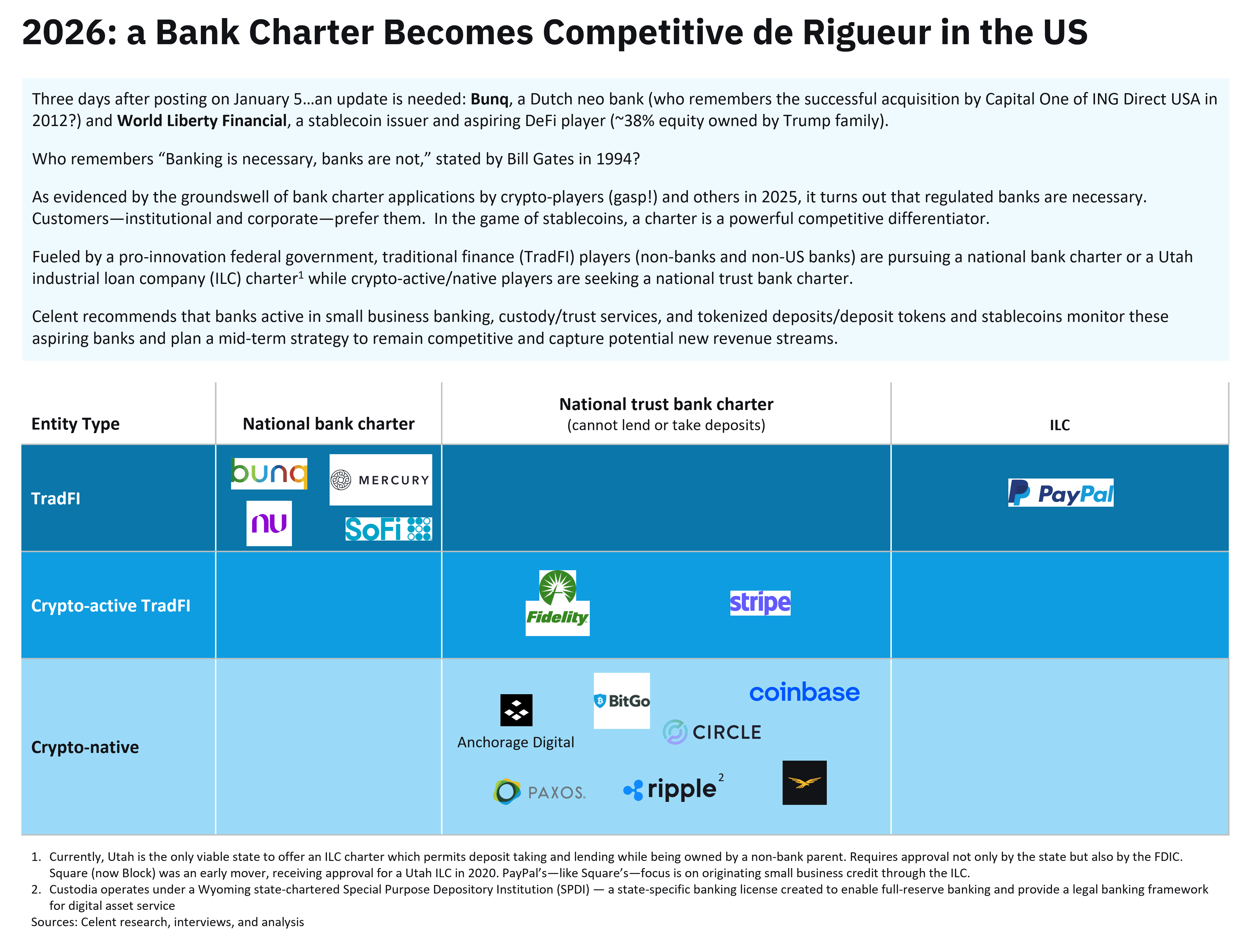
Gaming Service Adoption Rates 2026 Gaming Service Adoption Rates 2026 . 2026 The Year Of The Bank Charter Updated Celent Picture1 2 Bb1724bbee . IGaming Predictions For 2026 Responsible Gambling Player Protection 250b5362 . Charter 2026 PDF And Validation 1. Coaching EOI 2026 SA Charter Teams Baseball South Australia Square Space Home Page (9)


.png)

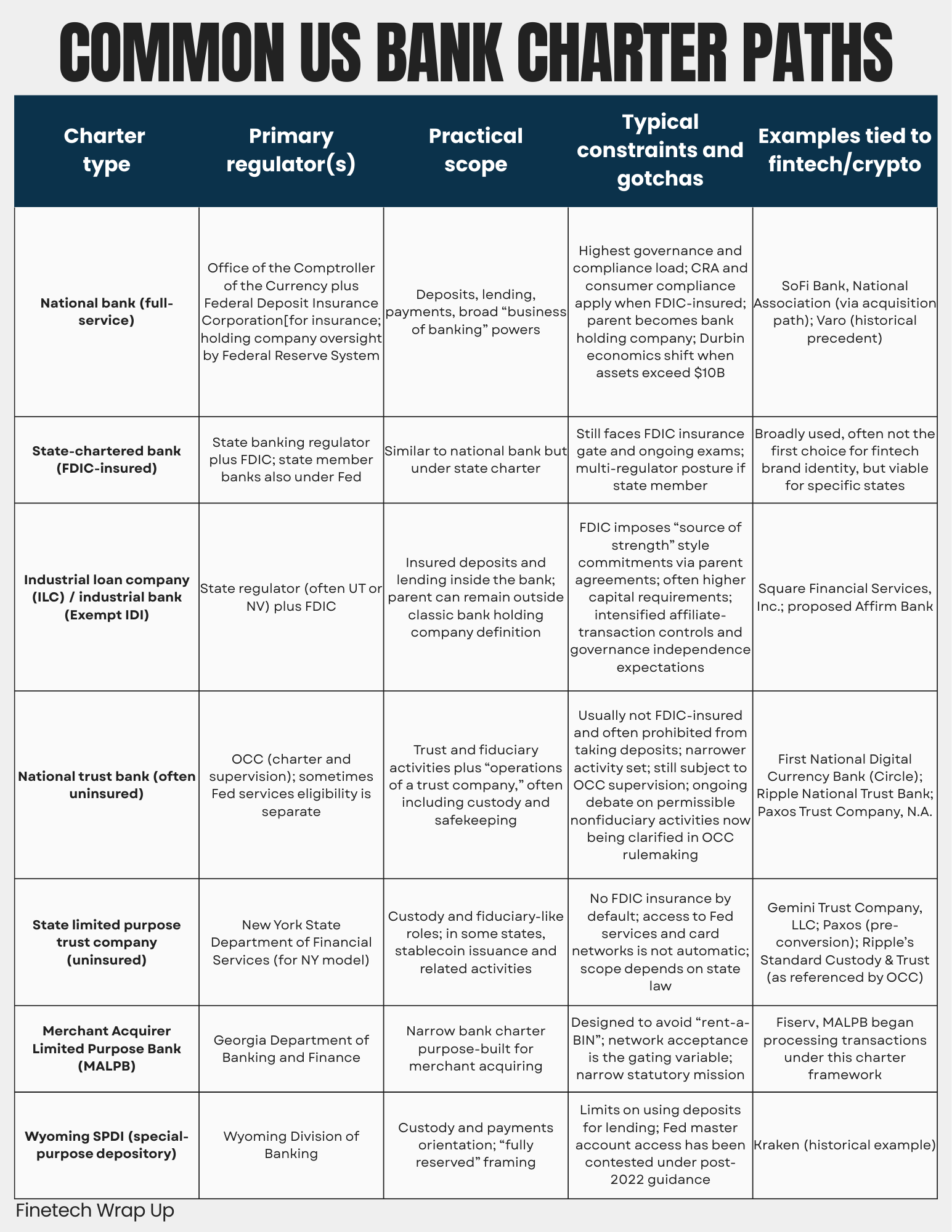
Deep Dive Why Fintechs And Crypto Companies Want US Bank Charters By Ccc6da17 Efef 4db3 9abc 1545x1999 . EM Disaster Gaming 2026 Roadmap Disaster GamingCon 2026 Planning Kickoff Meeting . CG Spectrum Q1 2026 Game Jam Itch Io HRWziR . 2026 Charter Showcase Tournament Baseball South Australia Square Space Home Page (7) . Eagles 2026 Tailgate Guide Charter Bus From Bucks Montco Chesco Phillies Eagles Sixers Tailgate Hero




Blue Jays Bus From Phoenix To Southern California After Their Charter . Charters Towers 24 Jun 2026 Feeder Cattle Firm Beef Central Dalymple Saleyards Charters Towers 2048x1365 . Is 2026 The Time To Buy Or Charter Com Buy Or0charter . CHTR Q1 2026 Earnings Report On 4 24 2026 1 . Charter Gaming YouTube AIdro MT TX6L0aX1UEh C K C0x00ffffff No Rj



Next Level Gaming The Most Anticipated Games Of 2026 You Can T Miss Gemini Generated Image . To Build Or Charter In 2026 Com Build Or. CDL Major II Announced At DreamHack Birmingham 2026 European Gaming Boomerang Partners Has Been Included In 3 Prestigious Industry Awards Which Will Be Presented In January 2026 1044x587 . Video Gaming Report 2026 The Next Era Of Growth BCG 90. Charter Yacht REMEMBER WHEN Bahamas Final Charter Yacht Remember When Announces Final Bahamas For May And June 2026
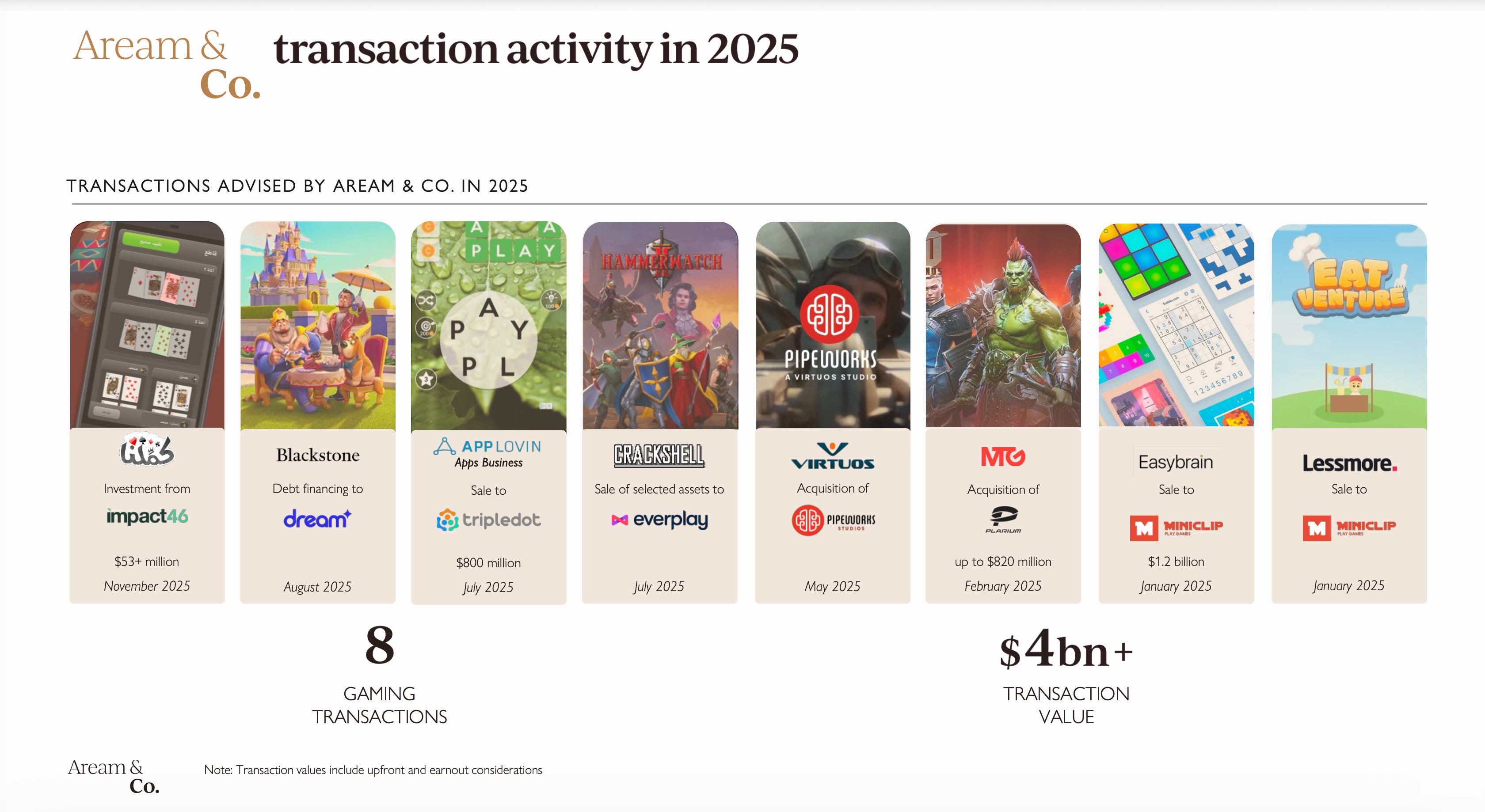


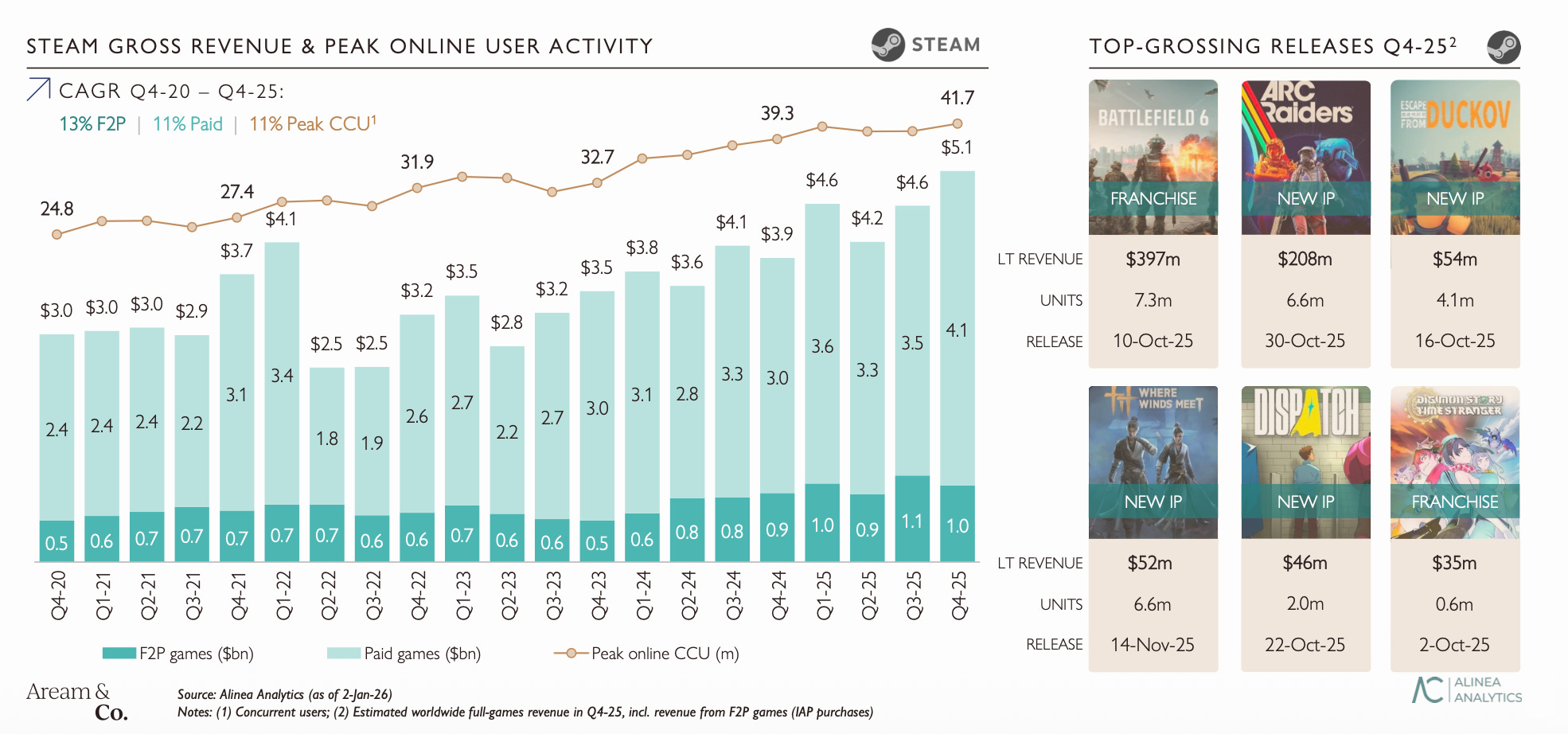

Weekly Gaming Reports Recap January 12 January 16 2026 Https Substack Post Public Images 8f80bc89 3cb2 480e Ad41 3360x1838 . Tabletop Gaming March 2026 PDF Download Free WLwKmsP Di . Could Gaming Become A Reason To Charter A Yacht Could Gaming Become A Reason To 57g6ak . Weekly Gaming Reports Recap January 12 January 16 2026 Https Substack Post Public Images E96e0fc3 Fee8 45a1 8aed 1970x922 . James Most Anticipated PC Games For 2026 Rock Paper Shotgun James Most Anticipated Games


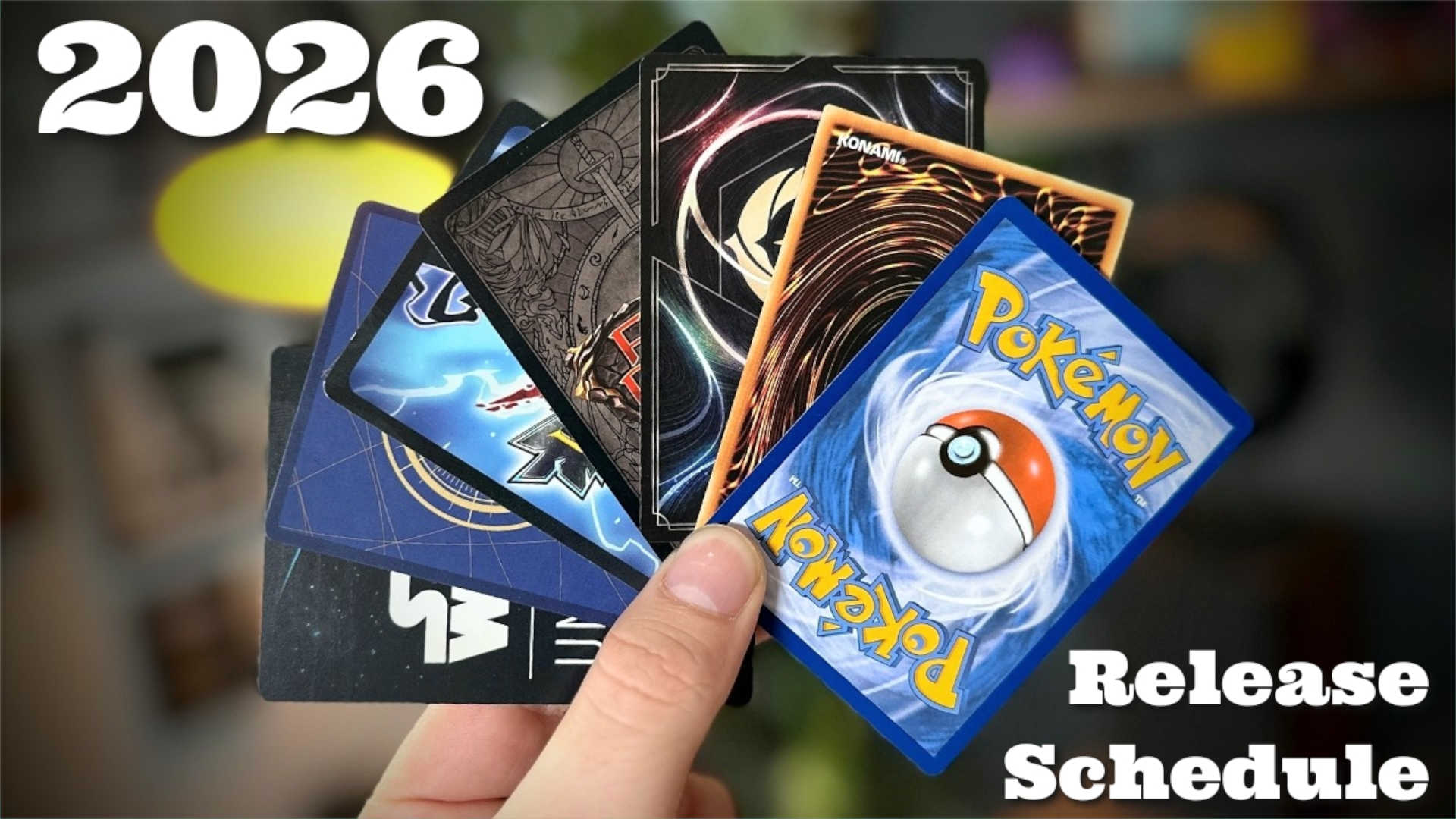


Gamer LEVEL UP YOUR FUTURE IN 2026 WITH GAMERZONE Start The New Media. YC 2024 Games Legacy Interim Report Youth Charter 376eca . 2026 Card Game Release Schedule Card Gamer Cg 2026 Releases . What Are You Most Excited For Gaming In 2026 YouTube Oardefault . Schedule Charter Day 2026 University Of Guam Mailchimp Banner